A series of articles mostly written for the Curdridge Parish Magazine. Hover on the Curdridge local history Tab above to select.
A series of articles mostly written for the Curdridge Parish Magazine. Hover on the Curdridge local history Tab above to select.
With the arrival of the modern Land Registry, old title deeds have become superfluous and are often simply thrown away when properties come to be sold. Fortunately, our solicitor saved the deeds for us when we moved into Tanglewood and I spent several weeks’ worth of winter evenings trying to unravel the history of the house and its land.
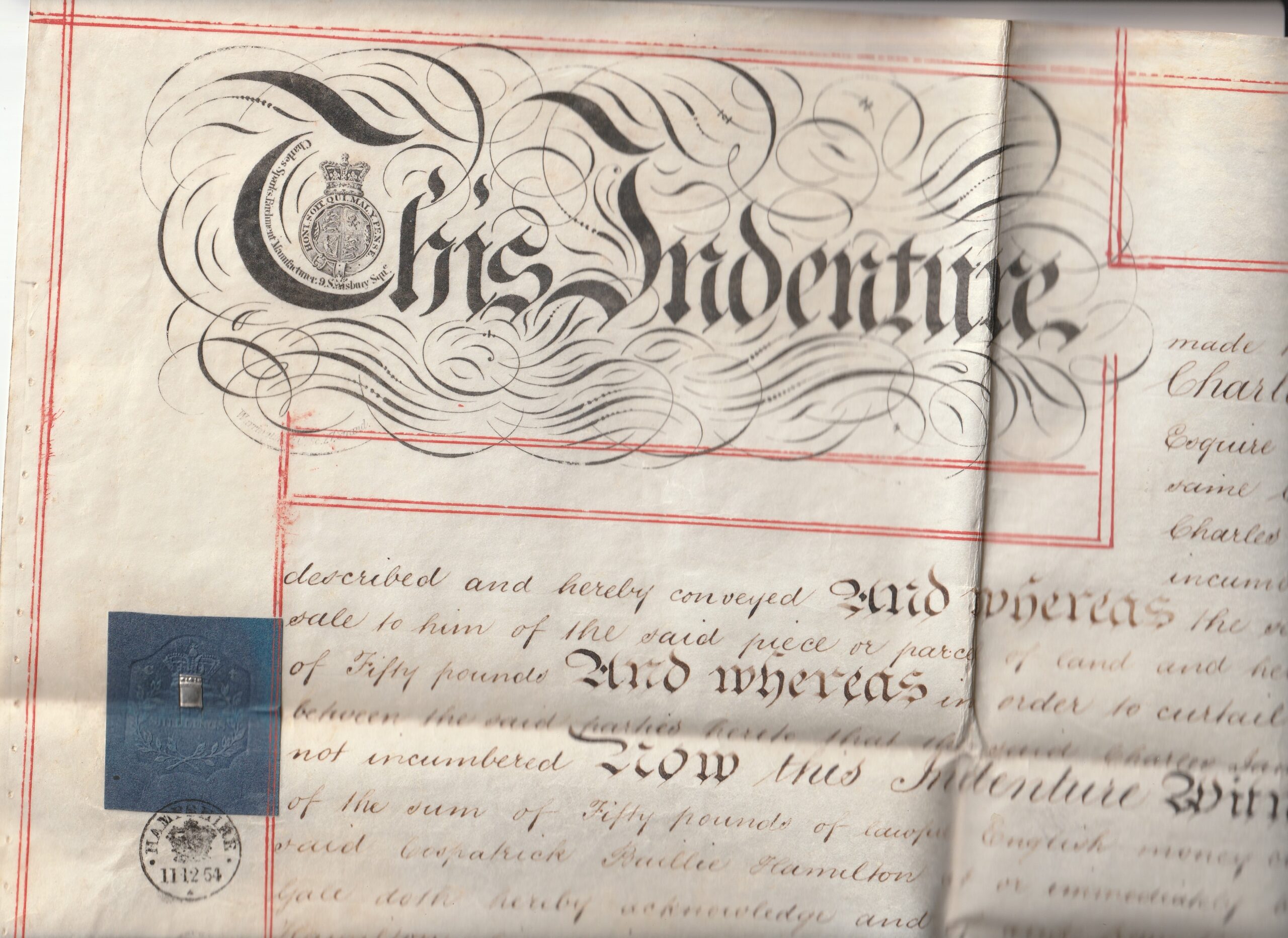
The older papers ‑ the earliest dated 5th July 1853 ‑ are beautifully handwritten documents on thick waxed paper with elaborately scripted titles. Two are written on printed engrossment paper and are sealed at the bottom with wax. From 1925, however, the papers are typed and full of errors and obvious failures to understand what was being copied. The art and experience of the legal clerk had gone.
Among the documents is an “Abstract of Title”, dated 6th August 1883. It begins with a summary of the Will of the 15th March 1862 of one William Camper, concerning, “All those two cottages and premises then lately erected and built by him … with the land and farm buildings thereon and adjoining thereto”. The original building was it seems a pair of two up two down “cottages”, both since substantially extended, one of which, has now become Tanglewood.
“William Camper of Gosport in the parish of Alverstoke in the County of Southampton, Shipbuilder” was one of the founders of the now world-famous yacht-builders firm of Camper and Nicholsons, still based in Gosport. In 1809 the young William Camper was apprenticed for a period of seven years to Francis Amos, a former ferry‑man between Gosport and Portsmouth who had turned to boat building near the ferry steps in 1783. At the age of about thirty‑five Camper took over the shipyard, presumably on the death of Amos, and in the following years built up with his partner Benjamin Nicholson, such a profitable business that he not only became wealthy but also earned himself the status of “Gentry” in the local Post Office Directory.
He seems to have bought the plot of land which has now become Tanglewood in about 1857 and he must have had the cottages built sometime between then and March 1862, the date of his Will. He also seems to have had built a couple of other properties nearby, further along the lane, including a modest Victorian villa which is still called “Camper House”.
When William Camper died in 1863 the land and cottages went to his daughter Mary. Unfortunately, things then appear not to have gone well. Between 1872 and 1883, when Mary died, “various dealings” with a number of individuals resulted in the ownership of the property being divided into three shares, two owned by two of Mary’s four sons and one by a Henry Morton Cotton. It looks as though the other two brothers, and possibly Mary’s second husband, John Earl, had used their shares to raise loans which they failed to repay.
Given this situation the two remaining brothers presumably had no choice but to sell the property. It was sold on the 6th August 1883 to Robert Anthony Burrell of Fairthorne and Augusta Burrell, Spinster, his sister, for the sum of £850.
The Burrells were from a wealthy mine‑owning family from Durham and had come down in 1878 and bought the 120 acre Fairthorne Estate, one boundary of which lay adjacent or close to Camper’s land. There is no record of what they did with the cottages and land but it may have been used to house some of the estate staff. Other houses nearby were especially built by Augusta Burrell for this purpose.
Robert Burrell died in 1910 and his sister, after a long life of local philanthropy, died in 1924. In 1925 the Fairthorne estate was sold by Augusta Burrell’s executors. What had been Camper’s cottages and land was sold to one George William Jupe, Farmer, on the 16th September of that year, for the sum of £1,250. In fact, George Jupe had already been occupying the cottage and land since the 1900’s. This is not stated in the documents, but Alf Mears, who was born in one of the Fairthorne staff cottages in 1912 and then lived in another, told me that it was certainly the case. At one time, said Mr Mears, Jupe courted his Aunt, but nothing came of it and Jupe remained a bachelor. He lived in the cottage with a housekeeper, who kept a small shop in the front room, and her daughter.
What Mr Mears did not know, but the documents reveal, is that in order to buy the property Mr Jupe had borrowed a substantial sum of money. On the day after the sale he mortgaged the entire property to one Allan Bowes Wilson of Hutton Rudby, Yorks, for £1000. Wilson was clearly a relative ‑ perhaps the father or brother ‑ of Augusta Burrell’s solictor John George Wilson of the Durham firm of Wilson, Ornsby and Cadle. Unfortunately, it seems that Jupe was never able to repay the loan. Mr Mears recalls that some time before the war Jupe moved out of the cottage and went to live in a shack on another piece of land that he owned or rented in the village. When I told Mr Mears about the mortgage and how much Jupe had paid for the property he replied that Jupe had been a fool and the property never worth so much.
Jupe must have moved out within a few years because by 1930 the cottage and land were occupied and run as a smallholding by William George and Dorothy Rose Pink. It was during this time that the property at last acquired a name. Although the property had become known informally as Pink’s Farm, when the registration of smallholdings was required, it was named “Field View”, borrowing the already existing name of the other half of the cottage.
The Pinks remained in Field View – or Pink’s farm – until 1971, a year or two after William Pink had died, and the following year Edmund Luxmore, the final heir to the Jupe mortgage, sold the property to our immediate predecessors, who both modernised and extended the house and gave it the name “Tanglewood”.
The deeds of the property now end with some papers relating to our purchase of Tanglewood in the summer of 1993, taking us to modern times. As mentioned earlier, the oldest document dates to 1853, so the deeds now cover one hundred and forty years of our home’s history. However, after some time and study I discovered that the deeds actually take us a great deal further back than the 1850’s – as far back, in fact, as the fourteenth century.
The fields which are now Tanglewood were formerly part of the lands of Bishops Waltham Manor. In 1925, the same year that George Jupe purchased the property from the Fairthorne Estate, the copyhold rights of the Ecclesiastical Commissioners, “Lords of the said Manor of Bishops Waltham”, were “enfranchised and conveyed ……. in fee simple as freehold henceforth and for ever discharged from all fines quit rents heriots and other incidents of copyhold tenure”. In other words, the land became freehold and the Manor’s rights over the property were abolished. Prior to that, however, whenever the property was sold the new owner had to be ‘admitted’ by the payment of a ‘fine’ to the court of the Manor. Among the papers we inherited with the house and land is a copy of a document giving such admission, with the original dated November 1864. The document lists and describes not only Tanglewood but also other adjacent and nearby plots of land. The description of one of these reads as follows:
“…. by estimation ten acres of land now called Outlands formerly Isold in the tithing of Curdridge in six closes now divided under the yearly rent of 1s being late parcel of one messuage and one yard of Boudland and one toft and half a yard of Boudland formerly Isold at Park and other premises ….”
The word “Isold” was a puzzle to me. The other unfamiliar words were in the dictionary ‑ a messuage is a dwelling with its outbuildings and attached land; a toft is a dwelling with attached rights to use common land and “Boudland” is presumably “bondland”, a holding where the tenant was obliged to render some kind of services at harvest and at ploughing time to the Lord of the Manor. “Isold”, however, was not in the dictionary.
At first sight, except for the capitals, it appeared to be a verb ‑ something which had happened or been done to the land ‑ but without knowing what it might mean I had some doubt. It was only when my neighbour, a local historian, handed me a copy of the “1332 and 1464 Rentals of the Manors of Bishops Waltham”, translated from the Latin originals by Harold Barstow, (1992), that the mystery was solved. There in the list of tenants and their holdings for 1464 I found, “ISOLDA daughter of the late Andrew at Park”. I realised immediately that I had been missing the clue given by the word “formerly”. This is in fact always used in the documents – as standard legal usage – to refer to a previous owner. Isolda at Park had managed to survive centuries of intervening tenancies and continue to appear on the court’s description of the land ‑ a medieval landholder in a nineteenth century document.
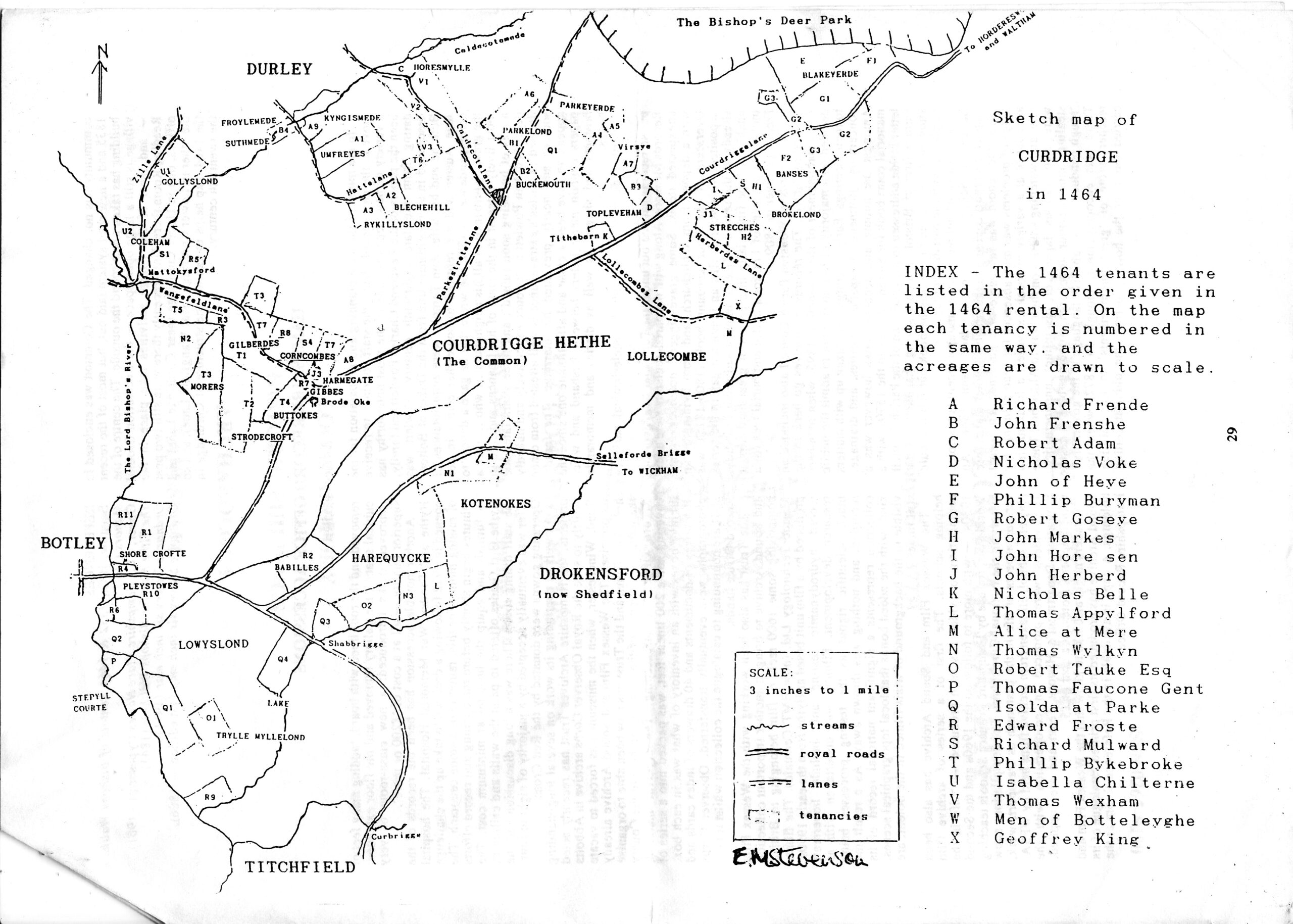
Isolda’s name first appears on the list of 1332, although it was only added at some later and unspecified time when the list was updated. She is shown as having succeeded one Andrew le Thatchare to “one cottage in purpresture” ‑ that is, a cottage built by encroaching on a public road or track. By 1464, however, she had become a more substantial landholder and is recorded as having four tenancies scattered throughout the southern part of the tithing of Curdridge. It then became clear from a sketch map prepared by E.M. Stevenson on the basis of Harold Barstow’s translation (“Curdridge in 1464”, Hampshire Field Club,1993) that one of her holdings included the land now occupied by Tanglewood (look for Q3) :
The medieval documents show that Isolda’s predecessors to the holdings were also at Parks. One tenancy was previously held by her father Andrew; the other three were previously held by one Peter at Park ‑ perhaps her uncle or her brother. Peter in turn had been preceded by Roger at Park in one case and by Robert at Park in another. The third holding appears to have been the one already mentioned above as having come from Andrew le Thatchare. One of Peter’s holdings had earlier been held by Thomas and Margaret at Park, as indeed had the holding Isolda presumably inherited from her father. By 1464, however, there are no other at Park’s listed as tenants not only in the tithing of Curdridge but anywhere on the Manor’s lands. The question is, where had the family gone?
The Black Death swept England in 1348‑49 and decimated whole villages. However, that would seem too early to explain why only Isolda seems to have remained by 1464 when there were clearly other at Parks alive in the intervening years. On the other hand, rates of mortality, particularly among mothers and infants, were high enough in the fourteenth and fifteenth centuries irrespective of the plague and perhaps this is the reason not only for the absence of other at Parks but also why Isolda inherited from Peter at Park as well as her father, Andrew. Her name survived in the documents, I believe, because she was the first tenant to be written down and recorded in the court’s lists. This record therefore became part of the defining description of the holding as it passed from tenant to tenant across the centuries.
*
Since I wrote the above, new evidence has come to light about the original form of the house built for William camper in 1860 (or thereabouts). It seems that the original house may in fact have been one – not two.
William Camper’s Will of the 15th March 1862 says “All those two cottages and premises then lately erected and built by him … with the land and farm buildings thereon and adjoining thereto”. I concluded from this that the original building was a pair of two up two down “cottages”. However, Flem and Edna Alison – from whom we bought Tanglewood – have always begged to differ. Having rebuilt half the house, and added to it, in the early ‘70s, they maintained that it was originally built as one house. This would explain the clear presence of a bricked-up doorway in the middle of the front elevation – which was always a puzzle.
Last year we had a downstairs bathroom created between our downstairs bedroom at the front and the back room behind. That is, between the front and back rooms of the old part of the building. We made some interesting discoveries.
Firstly, we unburied a short brick path running parallel with and between the two rooms. Christina from up the road, whose grandparents had lived in the house (the Pinks), confirmed that this was the floor of the cellar under the stairs – which also served as the air-raid shelter during the war.
Secondly, our builders happened to expose a patch of the rear wall of our bedroom, the front room. The patterned brickwork revealed clearly matched the brickwork of the original outside walls elsewhere. That is, this must once also have been an exterior wall and the original house must only have been one room deep – two downstairs and two upstairs. The rooms behind and the division of the house must have come later.
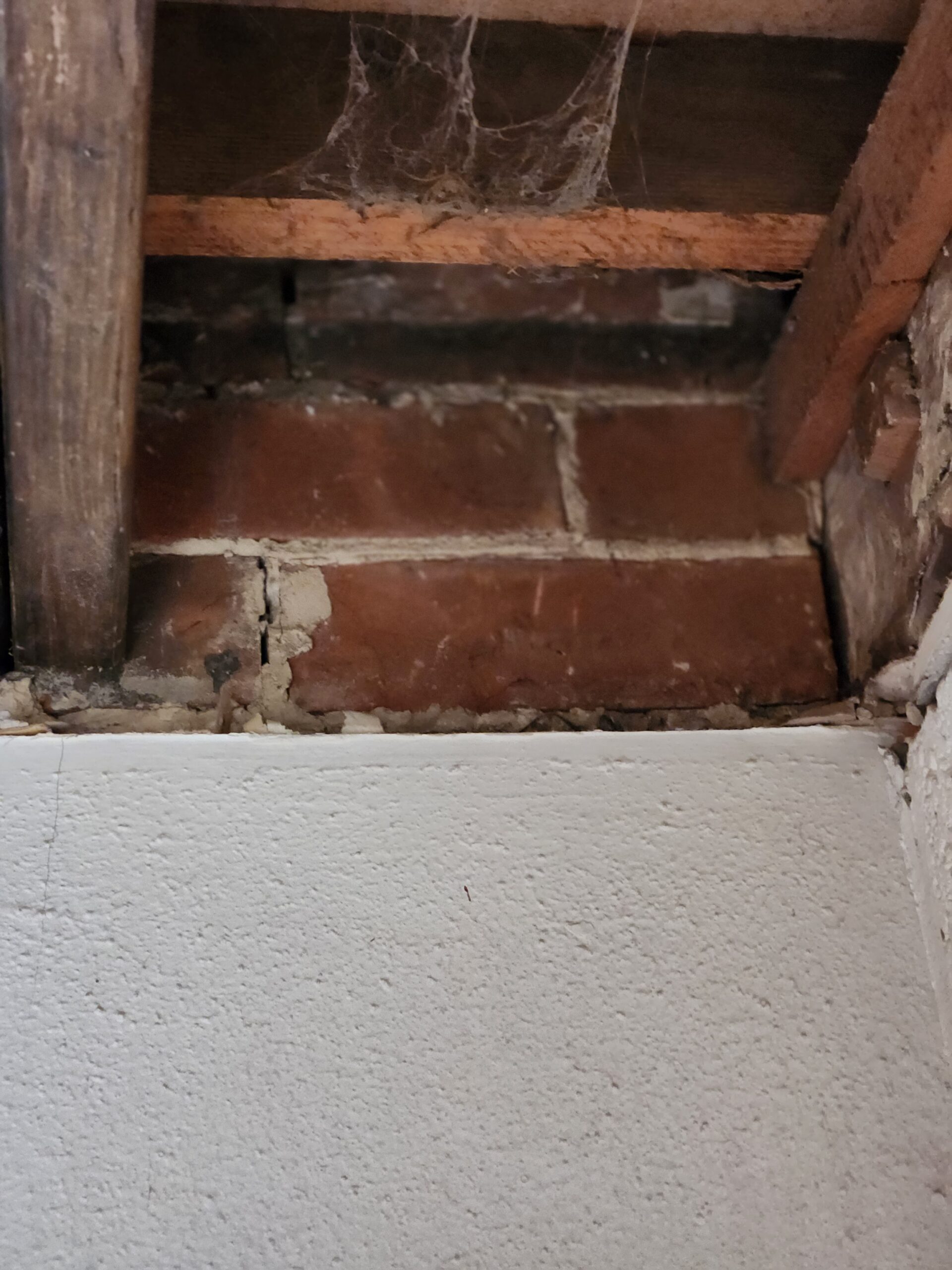
I can speculate when. During George Jupe’s time the house was as it had been built and his housekeeper’s shop in one of the front rooms (which then sported a bay window) was accessed by the front door. After the property was repossessed – and before the Pink’s moved in ? – the house was divided and more rooms added at the back. Unfortunately, the only witness I could have checked this with, David Mears, who told me about Jupe and his housekeeper, is no longer with us.
So what are we to make of William Camper’s Will saying “those two cottages lately built” ? If the original Tanglewood was one, where’s the other ? My guess is that it might refer to the semis up the lane which sit beside Camper House. I had a word with the current occupant of one of the two and he was of the opinion that the house was once one. If so, then either another house was added beside the original, or, as in the case of Tanglewood, a single dwelling was subsequently rent asunder.

I have often wondered whether the two Curs in our parish[1] are the same or different. That is, are they of same etymological origin, or are they just an historical coincidence ?
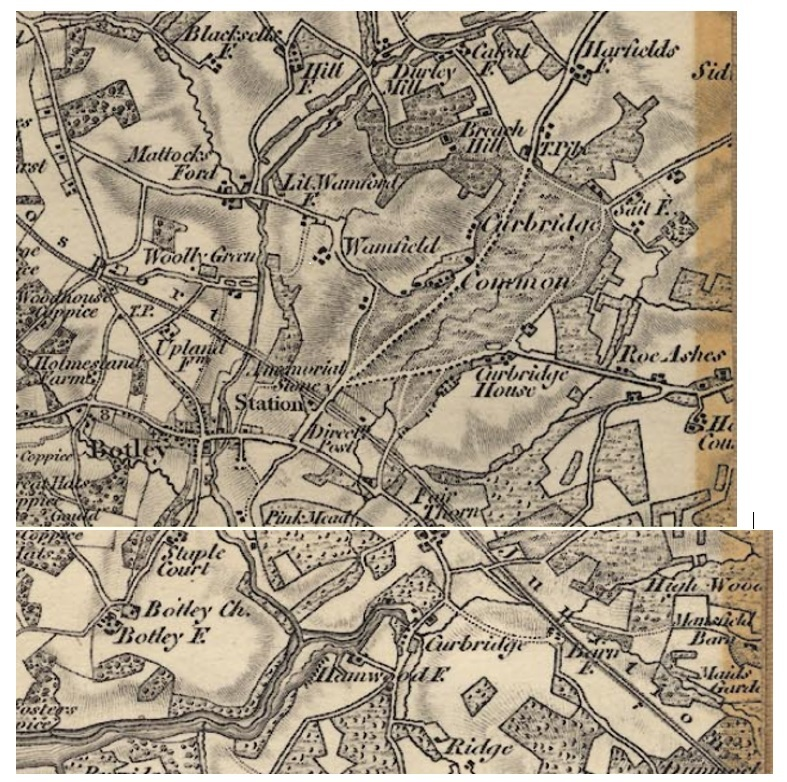
The first thing I noticed when I began to explore this mystery is that the first edition of the Ordnance Survey 1 inch map of South Hampshire solved the problem by deciding that they were one and the same. According to the map there is no such place as Curdridge. Everything is labelled Curbridge – not only Curbridge itself, but also Curbridge Common (the fields from the top of Station Hill to Lockhams Road, Curdridge Lane and The Plantation) and Curbridge House (now Kitnocks House at the top of Kitnocks Hill). They should, of course, be Curdridge Common and Curdridge House. Either the surveyors got confused or maybe someone in the office decided that the surveyors had made a spelling mistake. Fortunately, this was all corrected in later editions.
The next thing I did was e-mail my friend, and local historian, David Chun. He has written a fine book on the history of the River Hamble and its surrounds so I thought I’d ask what he knew about Curdridge and Curbridge. He advised me that he had read that ‘place name interpretation is complex, and not something that an amateur should dabble in!’
However, he also referred me to ‘The Place-Names of Hampshire’ by Richard Coates (1989). He then pointed out that there was a copy available on Amazon for 79p. I bought it at once. The postage was a good bit more of course, but still, it was a good purchase: it answered my question.
Curdridge originates from an Anglo-Saxon name meaning Cuthred’s ridge. In other words, some chap called Cuthred ‘owned’ or had otherwise been granted possession of what we now know as the village of Curdridge, which lies – largely – on a ridge.
Curbridge, meanwhile, was variously known – or at least spelt –as Kernebrugge, Kerebrigge, Kernebregge and Cornebrigge. These names – or spellings – do not obviously have any connection to our man Cuthred. The common cur component in the two village names is, it would seem, a coincidence.
But then there is another mystery. Mr Coates is not at all sure what the meaning of Curbridgde’s Kerne, etc, might in fact be. He is convinced on historical-linguistic grounds that it comes from the Anglo-Saxon for quern – that is, the lower stone of a hand-driven grinding mill, once a common domestic item. He is then understandably unconvinced that anyone would try to build a bridge over a river with a collection of quern-stones. It is, he says, a question he prefers to leave open.
One possibility, of course, is that kern does not refer to – or describe – the bridge, but was, as it is now, the name of the river. But then why would you name a river after a grinding stone ?
My reluctant conclusion is that what David said is right and that this is not the sort of thing an amateur should dabble in.
Kevan Bundell
The Parish is Curdridge, of which Curbridge is a hamlet. ↑
Frog Mill or Paper Mill ?
A few months ago I mentioned in the Parish News that Frogmill Track – off Wangfield Lane – is so-called because it leads, by footpath, to the now derelict Frog Mill. This was a paper mill, not a corn mill. Rumour says that it used to make paper for Bank of England bank notes, or for the Morning Post newspaper. After my comment appeared I received a phone call from Miss Katherine Stone, formerly of `The Elms’, Outlands Lane, now living in Botley. She was keen to tell me that the correct name of the mill is Paper Mill, not Frog Mill. Her grandfather lived there and always called it by that name.
Here was a mystery. It is certainly known as Frog Mill, or Frogmill, nowadays, and is named as such on OS maps. But even within living memory it was also, it seems, known as Paper Mill. I immediately contacted Dennis Stokes of the Botley and Curdridge Local history Society to see if he could help solve the conundrum. He sent me a paper from the Society’s archives, researched and written by John Hammond , which tells the following story :
Just a quarter of a mile upstream from Frog/Paper Mill sits Durley Mill. In the 12th, 13th and 14th centuries this mill was owned by a family called Frogge. Furthermore the deeds of this mill called it `Frogmill’ right up to the 20th century. Our mill, meanwhile, was, from its earliest record, in 1648, `called a Papermill’ and it was not until 1738 that it is first referred to as Frog Mill. By 1834 it is clearly referred to as `a paper mill known as Frogmill’.
There was obviously some confusion over the centuries and the name Frog transferred from Durley Mill to the Paper Mill, despite the name Frogge remaining on the former’s deeds. John Hammond suggests that Durley Mill `was, no doubt, referred to generally by the name of whoever the owner at that time might be’. This would explain at least why it lost the Frog name over time, leaving the name free to float downstream.
By 1862 Paper Mill was, according to its deeds, `long since disused’, although people continued to live in its associated cottage. John Hammond reports that Jesse Bannell (who was Ms Stone’s Grandfather) and his family lived there from 1871 until at least 1891 and that Walter Henry Elliott and family lived there from 1901 until the 1920s. By 1938 the cottage was no longer occupied and by 1965 the building were all derelict.
It remains a minor mystery how it was that while everyone else followed the confusing of the names and mills, those who lived there still knew very well that the `correct’ name was in fact Paper Mill. We must thank Miss Stone for keeping this knowledge alive.
Kevan Bundell
11.08.15
This article reports two rock shelter sites with possibly prehistoric paintings located in Sirumalai, Dindigul District, Tamilnadu, S. India. The first site was reported in the Indian Express newspaper in 1984[1]. The second site has not to my knowledge been previously reported.
Sirumalai is an isolated group of hills lying to the North of Madurai and to the South-east of Dindigul. It is partly forested and partly cultivated. Some slopes, particularly on the western edges, are not easily accessible. The hills are occupied mostly by mainstream Hindu people originally from the surrounding plains. However, they are also home to Paliyar adivasis (tribals), many of whom continue to lead a traditional nomadic or semi-nomadic way of life.
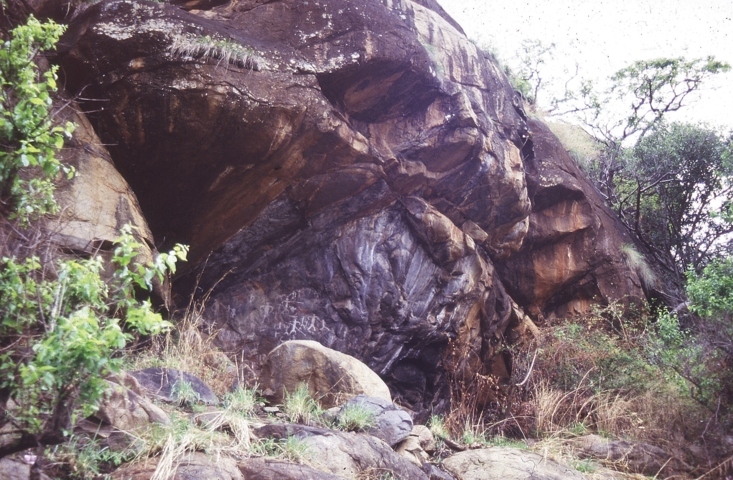
The first rock shelter is at Aruvimalai on the south-western corner of the hills, somewhat above Maavuttaru Lake[2] and just below a small dam. The rock shelter was visited by Dr G Vijayvenugopal, Reader in Tamil, Madurai Kamaraj University, sometime in 1983/4. He was brought to the site by Sirumalai locals, including a Paliyan[3]. I met Dr Vijayvenugopal in July (?) 1984. He suggested the paintings might date from about 500 BC. I then visited Aruvimalai myself with the help of some locals. I took photos of all the paintings. (See the Sirumalai Gallery Tab). They are painted in red ochre and white and consist of human, animal and other figures. The site is clearly a rock shelter, not a cave, with the cliff overhanging the level area beneath. The shelter was visited subsequently by M. Christian Journet on 19.09.2015, accompanied by Sri ? Suscindran of Sirumalai Palaiyur. M. Journet understood the location to be called Meenmittuparai, at 10°09’18.0″N 77°58’36.0″E, that is, on the eastern tributary that feeds into Maavuttaru Lake. M. Journet also took photos which he has kindly allowed my to post on this site. (See the Sirumalai Gallery Tab).
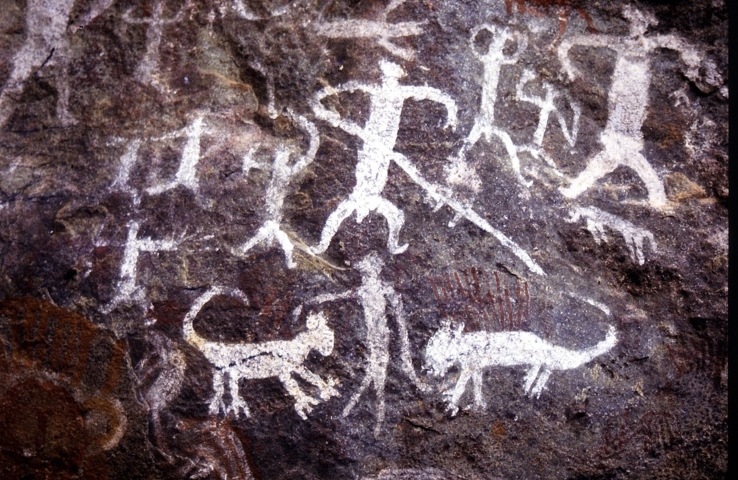
The second rock shelter is, I believe, at or near Alangaltheri, in a cliff face at the head of a forested valley above the settlement of Thalikidangu. I visited the site in July 1984. Again, it is in the south-western part of the hills, although I am otherwise not sure of its precise location. I was taken there, by a Paliyan, after a walk through the forest on no visible pathways. We then had to climb down a short way to reach the site.
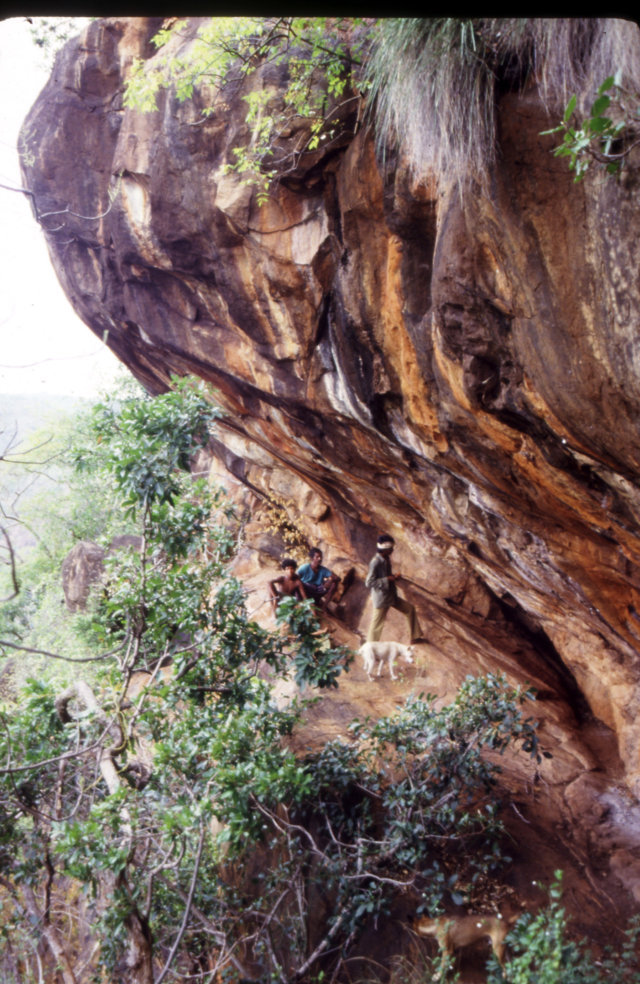
The shelter was some 30 feet long, varied between 16 and 6 feet in height and 20 to 4 feet in depth. It sloped some 30 to 40 degrees above the level ground. The remains of a fire suggested that the shelter had been recently used. The presence of modern Tamil letters among the apparently prehistoric paintings also suggested that this shelter had been in more contemporary use.
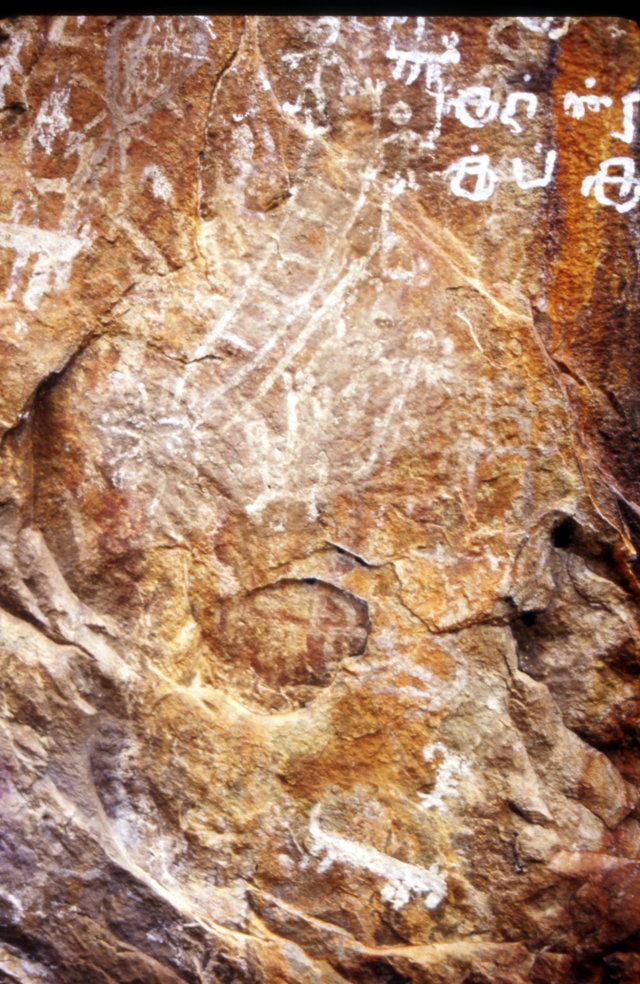
Again, I photographed all the paintings. (See the Sirumalai Gallery Tab). I also asked the locals who had accompanied me – Hindu Tamils and the Paliyan guide- to interpret some paintings whose ‘meaning’ was not clear to me. I have added notes to some of the photographs accordingly.
Higher quality versions of the photos are available on request.
I would welcome informed feedback on this post.
Kevan Bundell
Introduction
This paper reports the birds observed in Sirumalai (Little Hills) in
the Dindigul district of Tamilnadu by the author in the years 1980,
and 2009. It includes observations reported by Swami (2006), and
additional reports by local informants to the author in 2009. It also
makes reference to a list of the birds of the Palani Hills published
by the Palani Hills Birdwatchers Society1.
The author was privileged to stay in the village of Sirumalai
Palaiyur for a period of eight months, from January to August, in
1980, and to return for a period of five days in January 2009.
In geological terms it would seem that Sirumalai is one of the
southernmost outposts of the Eastern Ghats.2 However, in terms of
its location, it is close to the Western Ghats, and more particularly
to the spur of the Palani Hills, from which it is separated at the
narrowest point by a distance of only 12 km or so. Although
Sirumalai has been studied in some detail in terms of its flora
(Pallithanam, 2001; Karuppusamy et al. 1999; Kottaimuthu et al.
2008), there seems to be little of substance published on its fauna
in general or, other than Swami (2006), on its birds in particular.
Sirumalai lies to the north of Madurai, and to the south of
Dindigul. The surrounding plain lies at an average height of about
300 m. Sirumalai, roughly speaking, consists of an outer ring of
hills at an average height of about 1,000 m, though with a number
of peaks exceeding 1,350 m, and a central bowl at about 700 m. The
hills rise more or less abruptly from the plain in the north, west,
and south while tapering away into low hills to the east. Much
of the hills are reserved forest, including areas of more or less
natural dry evergreen and semi-evergreen forest; some is coffee,
and other plantation, often with mature, planted tree cover; and
the remainder is cultivated by local smallholder agriculturalists or
larger landowners. Three main streams run through the hills, and
down to the plains. Sirumalai receives its only significant rainfall
between October and December with the NE Monsoon . . . .
(For more please follow this link to Indian Birds : http://www.indianbirds.in/pdfs/IB_5.5_143-145.pdf
Birds of Sirumalai – Further observations, February 2015.
This note is an up-date to the observations reported in Indian Birds 5 (5): 143–145.
I visited Sirumalai again in February 2015. The list below records all species observed during my visit, with those not previously reported given in bold.
• Ashy Woodswallow Artamus fuscus
• Asian Paradise flycatcher Terpsiphone paradisi
• Black-headed Cuckoo-Shrike Coracina melanoptera
• Black-hooded Oriole Oriolus xanthornus
• Black-naped Monarch Flycatcher Hypothymis azurea
• Blue-throated Flycatcher Cyornis rubeculoides
• Brainfever Bird Hierococcyx varius
• Brown Shrike Lanius cristatus
• Brown-headed Barbet Megalaima zeylanica
• Common Iora Aegithina tiphia
• Common Myna Acridotheres tristis
• Egyptian vulture Neophron percnopterus
• Greater Coucal Centropus sinensis
• Grey Junglefowl Gallus sonneratii
• House Swift Apus affinis
• Jungle Babbler Turdoides striatus
• Jungle Crow Corvus macrorhynchos
• Little Egret Egretta garzetta
• Rufous-backed Shrike Lanius schach
• Blue-winged Parakeet Psittacula columboides
• Nilgiri Laughingthrush Garrulax cachinnans
• Oriental Magpie-Robin Copsychus saularis
• Indian Pond-Heron Ardeola grayii
• Pied Bushchat Saxicola caprata
• Plum-headed Parakeet Psittacula cyanocephala
• Red-rumped Swallow Hirundo daurica
• Red-vented Bulbul Pycnonotus cafer
• Red-whiskered Bulbul Pycnonotus jocosus
• Scarlet Minivet Pericrocotus flammeus
• Shikra Accipiter badius
• Little Scaly-bellied Green Woodpecker Picus xanthopygaeus
• Tawny Eagle Aquila rapax
• Indian Treepie Dendrocitta vagabunda
• Velvet-fronted Nuthatch Sitta frontalis
• Indian Hanging-Parrot Loriculus vernalis
• White-breasted Kingfisher Halcyon smyrnensis
• White-cheeked Barbet Megalaima viridis
Also :
Grizzled giant squirrel Ratufa macroura
Hanuman langur Semnopithecus entellus
Bonnet macaque Macaca radiata
Gaur Bos gaur
For a further study of the birds of Sirumalai please see : http://indianbirds.in/pdfs/IB.9.3.SantharamETAL.Sirumalai.pdf
Kevan Bundell
Copyright 2019
Click here to read this book. Scroll down (the first page is blank), then shrink to view.
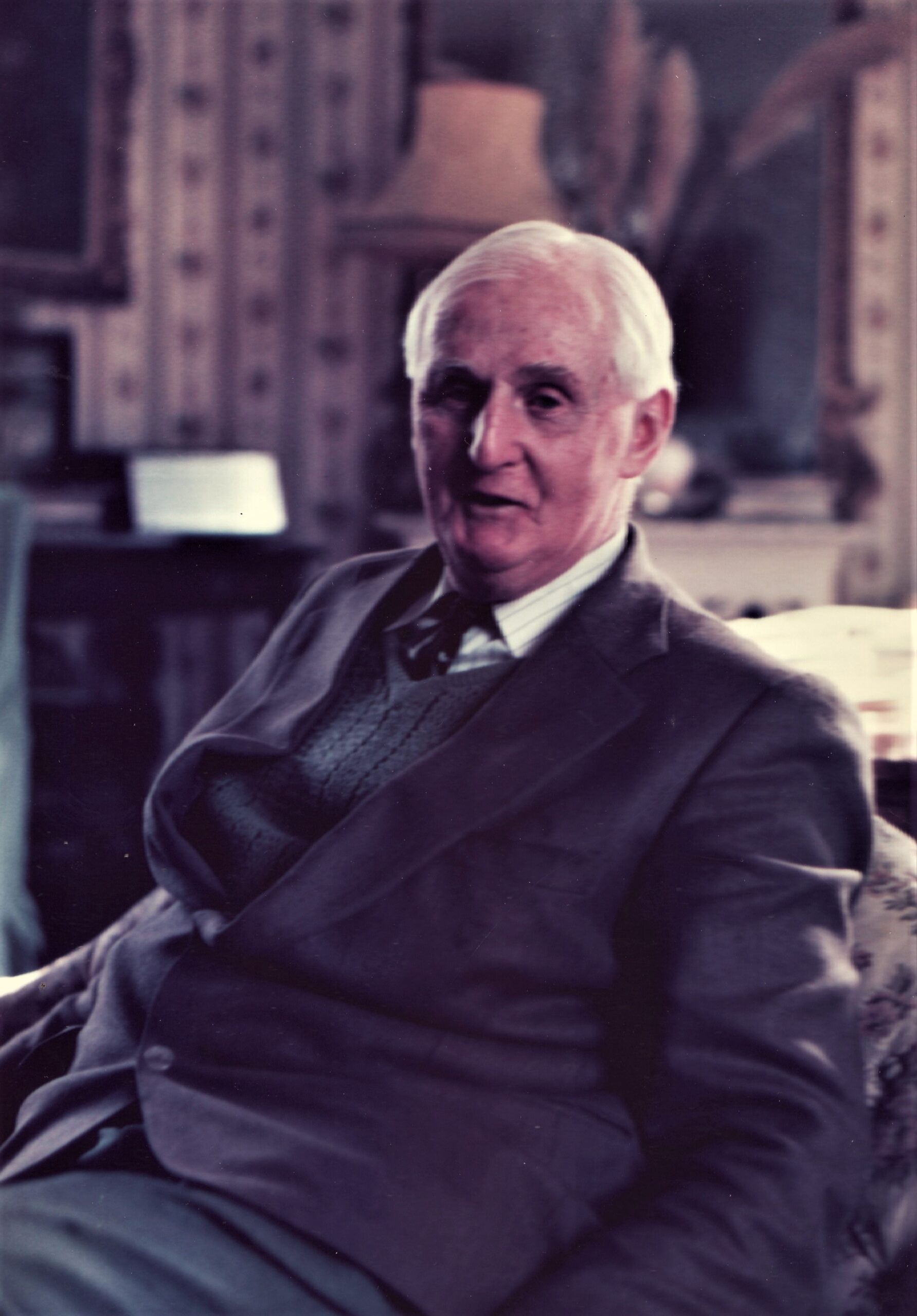
I first met Commander Richard Phillimore RN (Rtrd) in about 1968 when a friend took me to the Stamp Club which Richard hosted in the playroom of his ancestral home, Shedfield House, near Southampton. The room had been Richard’s playroom when he was a boy, in the 19-teens’s. Now it was full of young people again, swapping stamps. It was not that Richard was particularly interested in stamps, it was rather that he was committed to helping young people, both practically and spiritually.
Richard first got involved with young people when he was a junior officer in the Royal Navy in the late 1930s. He was put in charge of boy recruits sent from shore based training establishments to his ship. He was disturbed to find that they all behaved like zombies, highly disciplined and without personality. He tried to encourage them to be individuals. (What his superiors might have thought of this approach is unknown . . . ). But the key event in Richard’s commitment to young people came in 1940 when he found himself about to crash- land in an RAF Wellington bomber which had ran out of fuel. Richard prayed for the crew and for himself. He promised that if he should be spared he would like to give his life to helping young people. He was spared, but he was left hanging upside down from the wreckage trapped by his twisted legs. He was told by his doctors that he would never walk again. Fortunately this proved not to be the case and after expert medical care he was back playing cricket – his favourite game – within a year.
I met Richard a few years after he had met the Focolare – an ecumenical movement originating in Italy.[1] He was always looking for new spiritual movements, especially those which might be attractive to young people. He had gone to a Focolare meeting in London and inspired by what he had heard, he came home and started a group for young people. I was one of those who became involved, attracted by the practical advice of how to put love into action. Richard provided us with a place to meet and with transport in his old Volvo to meetings where we spoke about our experiences of trying to put love into practice. He also took us to the annual Focolare Mariapolis in Manchester and to meetings in London. He took groups to Focolare centres in Rome, Loppiano and Vallo and to Belgium. There were always young people coming to stay at Shedfield House, including from Belgium and from Northern Ireland – a mixed group of Catholics and Protestants. Sometimes, however, Richard’s enthusiasm could perhaps overrun his understanding. He once organised his own Mariapolis for local young people, somewhat to the alarm of the Focolare HQ in London, who only heard about it at the last minute !
The Focolare /GEN was only one of Richard’s many spiritual adventures. At home he was a stalwart of his local Anglican Church and a Sunday-school teacher. He was also involved with a local Community Church, with an Alpha Group, and with the YMCA, helping to tackle the very practical problem of homelessness and rough sleeping among young people in the 1980s. He also took a group of young people to Taizé in France.
*
In 1996 I asked Richard if he wouldn’t mind me interviewing him in order to write a brief article on his life and role in the village, as a farmer and local Squire. I was planning on an hour or two. “We might as well start at the beginning”, he said, and proceeded to recount his entire life in month by month – sometimes week by week – detail. We finally finished nearly one year later.
I was particularly fascinated by his experiences during the Second World War. He had flown as an observer in Fairy Swordfishes and Grumman Avengers. He had been deputed by his Admiral to check out the new rockets that the RAF were fitting to Hurricanes and Typhoons – which is how they came to be fitted to Swordfishes too. He had visited Hiroshima only six weeks after the bomb.
However, he was particularly interested in telling his spiritual adventures and in 2000 Richard produced his own version of his life, entitled ‘A Spiritual Odyssey’.
I had clearly failed him.[2]
Richard’s autobiography is a fascinating account of Richard’s thoughts and explorations of spirituality over his long life. Near the end he writes :
‘I hope that this short book may be of value to lay people and especially to those like myself, who are of an inquisitive nature, and want to know what is God’s will for us on our Christian pilgrimage.’
He was indeed spiritually inquisitive, and he always kept to his promise to try and help young people find both themselves and God. It was a privilege to be his friend. Richard passed away in 2004 at the age of 97.
[1] http://www.focolare.org/en
[2] I never did write my intended article. However, my notes and recordings of the interviews now form part of the Phillimore Papers archived in the Hampshire Records Office. So too does ‘A Spiritual Odyssey’, which you can read here via the Menu tabs.
The 1960’s and into the 70’s was a time of great socio-cultural change – as you may have noticed at the time, or heard since. Even Fareham was affected – including Prices Grammar School for Boys. We were encouraged by the spirit of the times – and by certain seditious teachers in English, Drama and Art – to be creative. Music was the prime medium. The Beatles, Dylan, Paul Simon, and so on, meant that there was both a new permission and a new demand to be creative. In any case, it was obviously fabulous/groovy/far out to be able to play the guitar and sing – and there was also the chance that the girls we knew might think so too . . .
And so we learnt to play the guitar and to write songs if we possibly could.
Meanwhile, it was a well known fact that the Headmaster, Mr Eric Poyner, believed that the guitar was ‘the instrument of the devil’.
I can see his point. As a staunchly upper-middle class member of the Church of England, and of an older generation brought up in very different times, he must have been horrified when faced first with rock and roll and then by the libertine antics of The Rolling Stones and the aggression of The Who. Worst of all, the hippies : free love, drugs and long hair. Even the Beatles had become provocative during the second half of the sixties. They had grown their long hair even longer.
Meanwhile, as mentioned, a lot of us had learned to play the guitar.
And we had long hair of course.
*
The origins of the Prices ‘Folk’ Concert tradition are difficult to pin down because for all those involved it was a very long time ago. However, sometime in 1968 (probably) two sixth formers, Pat Gatland and Michael Knight – still with relatively short hair – managed to get permission to hold an evening Folk Concert. Presumably they had the help of one or other of the younger teachers. By that time, guitars and folk-style songs were even being heard in church ( Kumbaya, Shalom chevarim) – which must have helped. Everything was acoustic of course and the songs were both traditional and modern – but folk. There were even girl performers in the persons of Kathy Russell and a friend. Other concerts followed in May 1969 and December 1969 – both of which I attended. Among the performers, I recall Pat Gatland, Paul Hawes and Kathy Russell. The material remained acoustic and folky – although it seems there may also have been a rendition of the song ‘Cocaine’. . .
The next event was in February 1970. By this time Paul and Pat had moved on and the responsibility for keeping the ‘tradition’ going had been taken up by Chris Bard (Prices Head Boy, or soon to become so) assisted musically by Dave Cummins (Pricean) and Martin (Tink) Wood (former Pricean).
Here’s what happened: in January 1970, Chris and Co began to hire (or possibly just occupy) the Funtley Village Hall on Saturday afternoons in order to create and rehearse for a forthcoming event at Prices which was to be called The Light Show. In addition to serious rehearsal there was also general music, general hanging out and a pool table. Chris was good enough to give me a game of pool and wiped me out in about 60 seconds. When it came to the show itself, my important role was to assist on the lights.
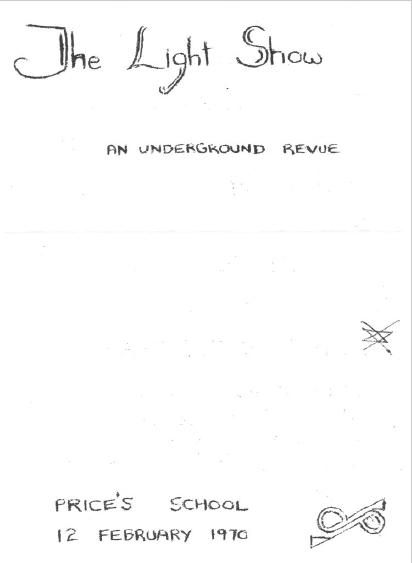
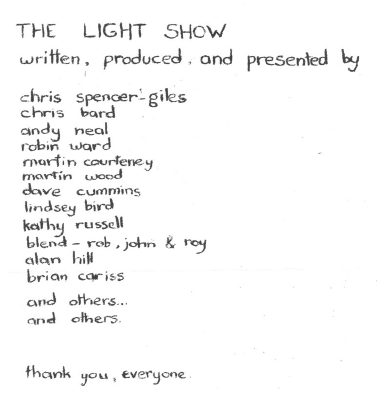
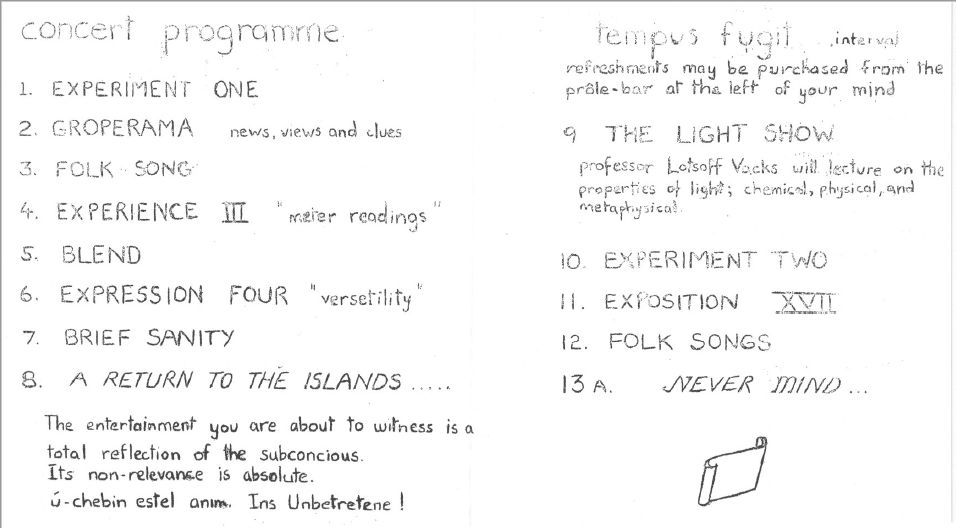
The Light Show introduced two key innovations. One was to add poetry reading and comic sketches to the mix. Chris led in both. He wrote and performed obscure poetry and bizarre sketches involving, for example, woodpecker sound-effects and inappropriate French translations. The second innovation was more fundamental. Dave and Tink had obtained a P.A. system and an electric guitar. Andy Vores, meanwhile, was the enthusiastic possessor of a drum kit. Prices ‘folk’ concerts went electric – and this was only five years after Dylan had done the very same thing.
Meanwhile, the Saturday afternoon gatherings continued after the show and culminated on April 25th 1970 in an ‘event’ billed as TWEADIFARG ( The West End and District Folk Arts Revival Group), more music and hanging-out as I recall.
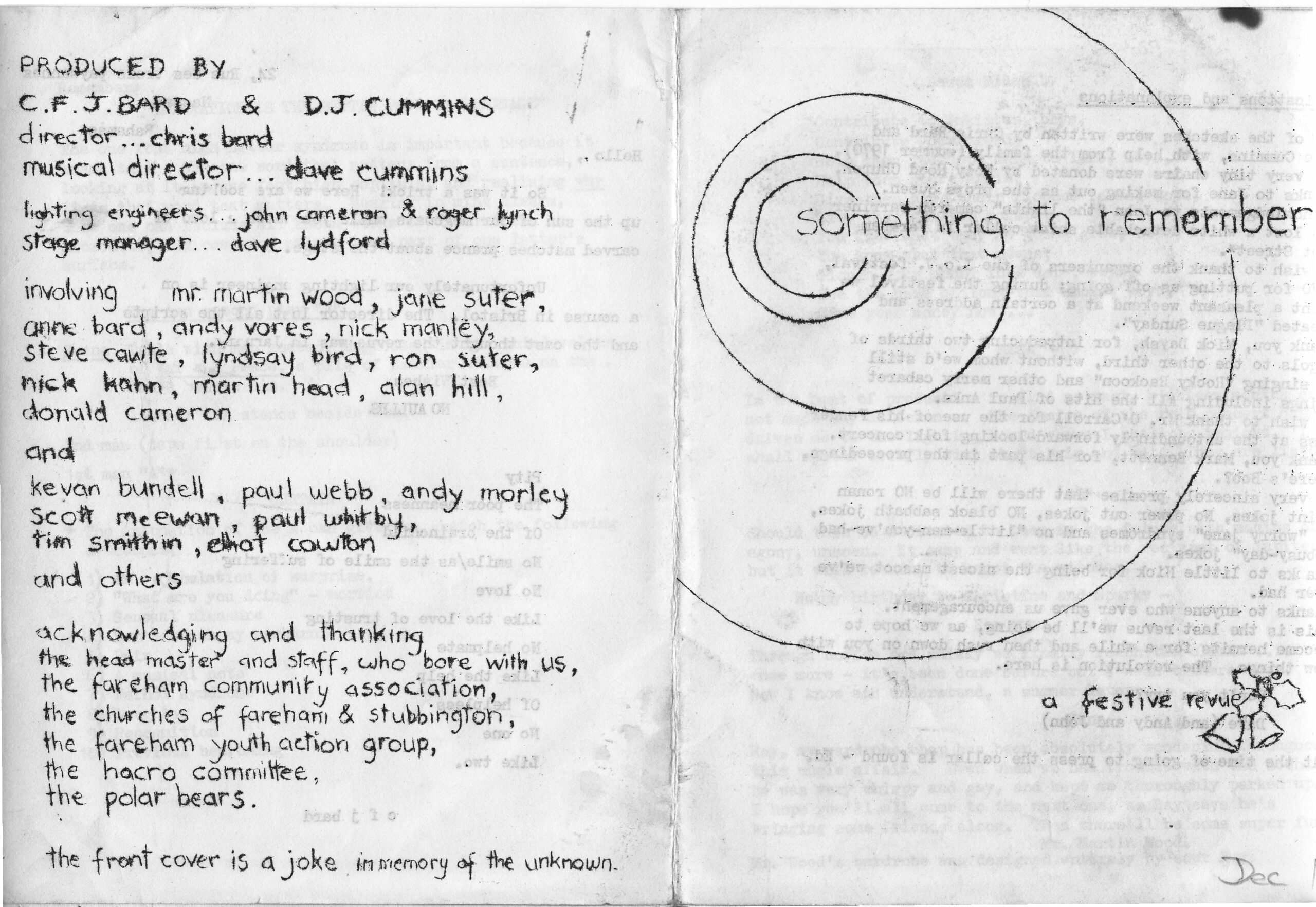
Another Prices concert/show/review took place on 6th November 1970. Dave, Tink and Andy played, but that’s all I can discover. There was then another Chris and Co event on the 10th and 11th December 1970 called Something to Remember. Music, poetry, sketches, surrealism. Dave, Tink, Andy and John Cameron played as Gigolo. I believe I may have done the lights again.
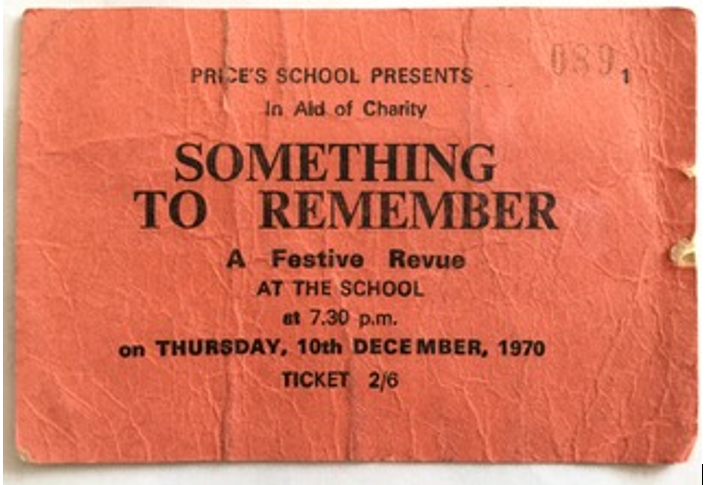
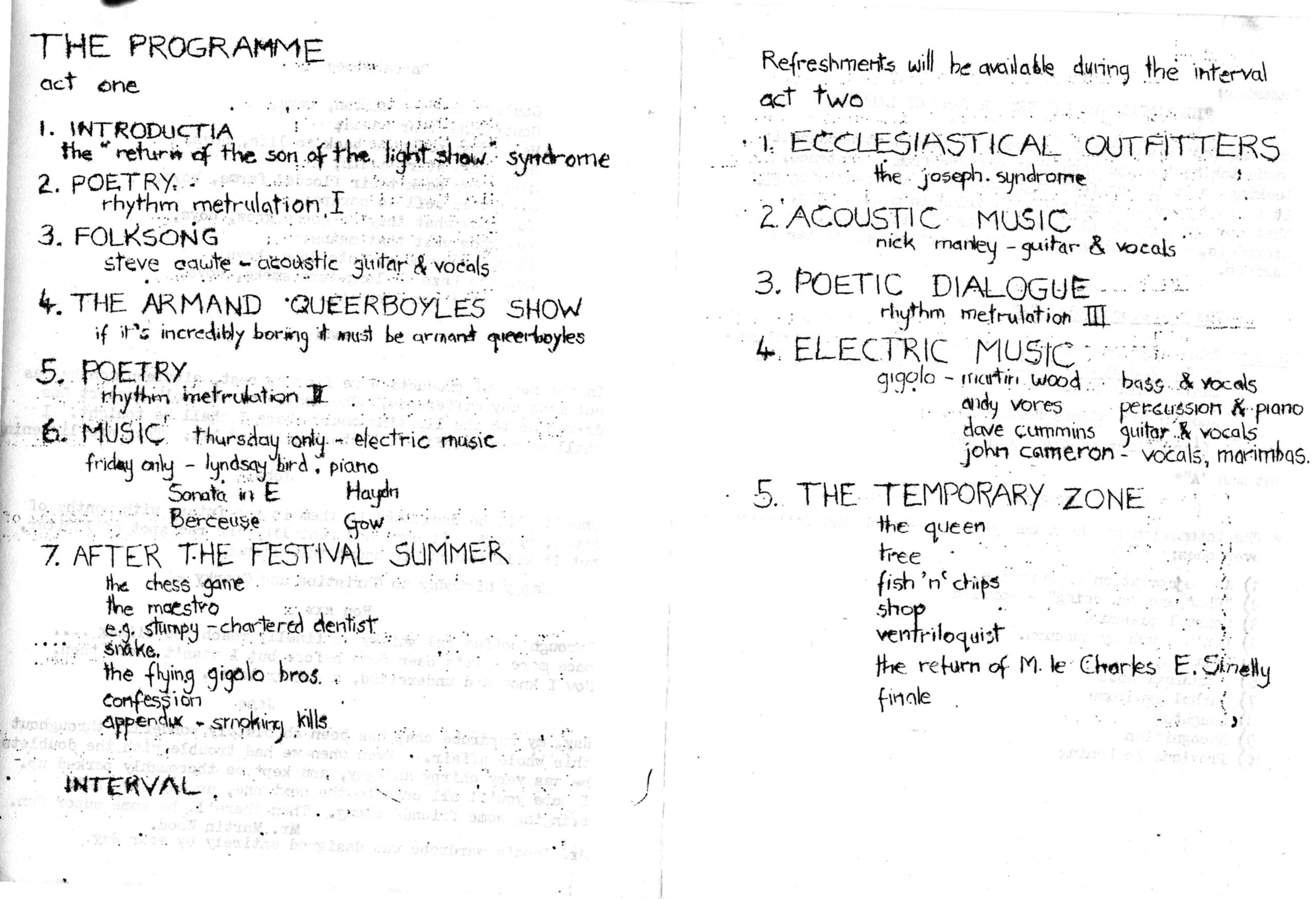
The acoustic tradition had also continued throughout these shows and one of the acoustic performers was Dick Hubbard, an English Teacher at Prices. He sang traditional ballads such as the beautiful ‘Geordie’ – while playing the guitar. (It was also he who reported to us Mr Poyner’s opinion of the aforesaid instrument).
Another performer was Nick Manley. He had become well known for a entertaining us with an anti-war song of the time and another involving Adam and Eve and a snake. At one or other of the concerts he was forced by audience demand to sing them again. Unfortunately, on this occasion, Mr Poyner happened to be listening at the back. “ I was suspended” says Nick “for singing the Fish Cheer/Fixing to Die Rag[1] and The One Eyed Trouser Snake. I don’t know which song caused the most offence.”
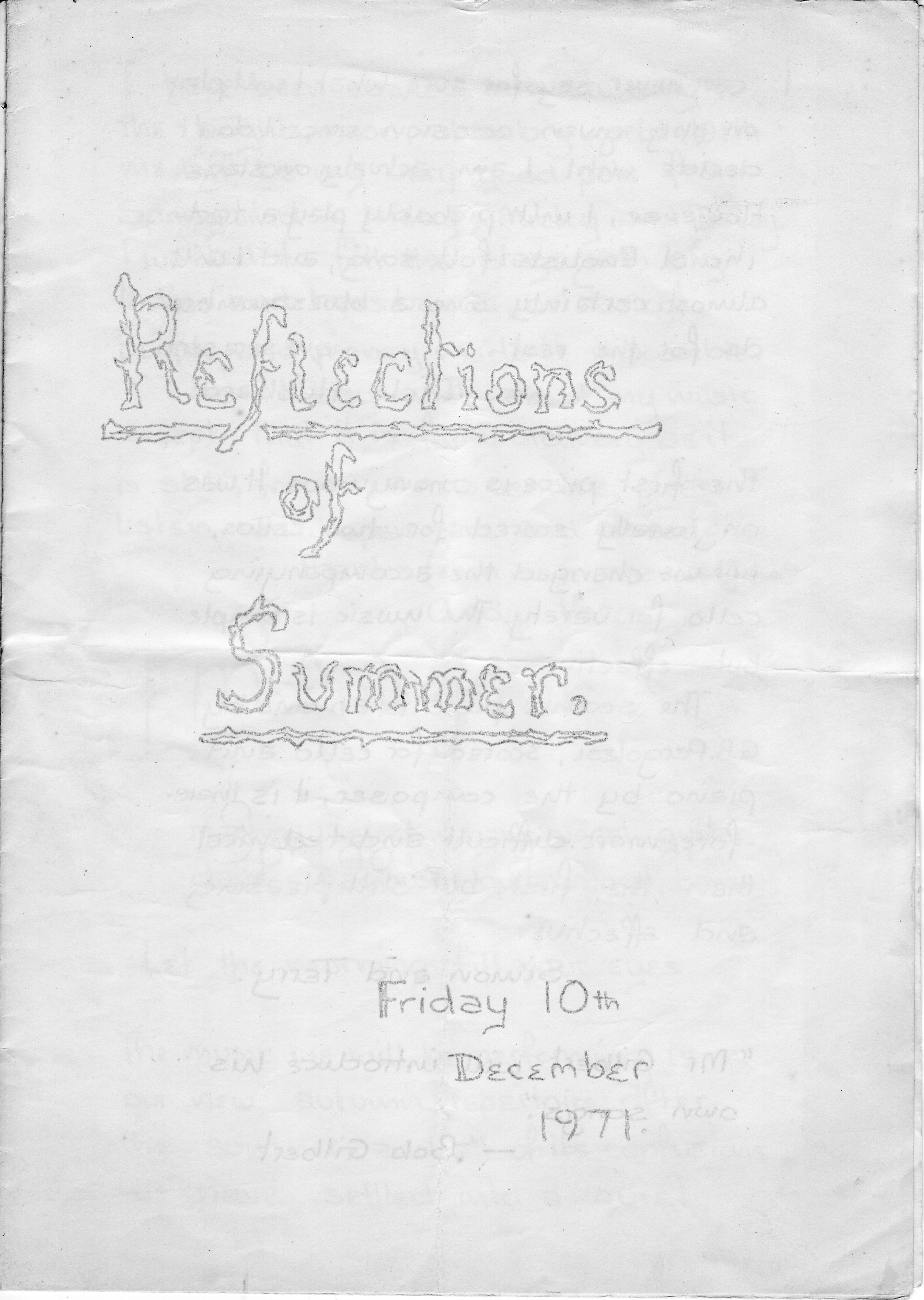
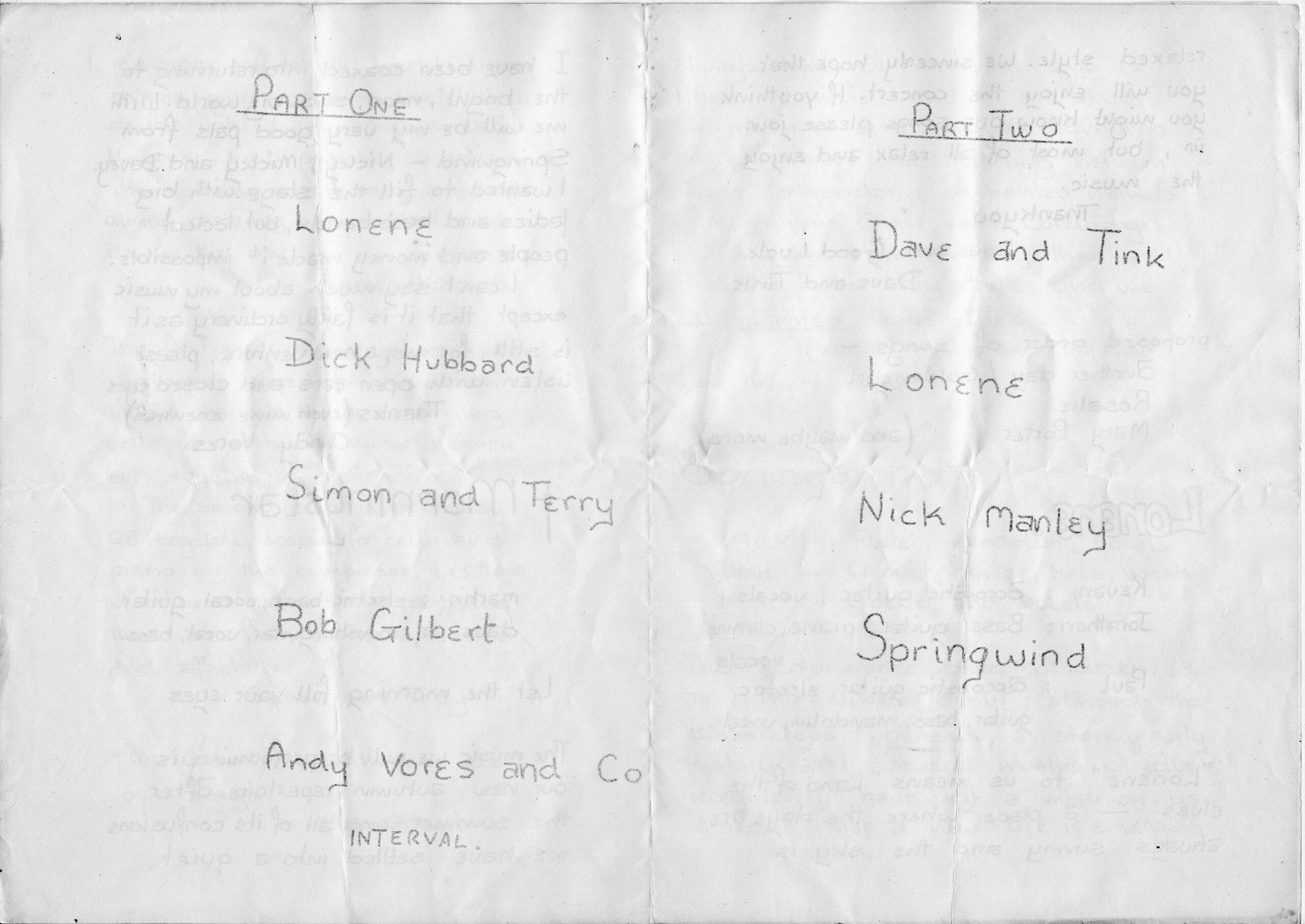
Chris and Co moved on. The next event – not until December 1971 – was back to the concert format. We called it Reflections of Summer. I say ‘we’ because now I was a sixth-former and organised the event together with Paul Gateshill and others. Perhaps that’s why our band – Lonene – had two slots in the programme while everyone else only had one ! Despite having moved on, Dave and Tink also played, so too did Dick Hubbard, Bob Gilbert (Head of Music), Nick Manley and Springwind – Nick Kahn, Mick Daysh and Dave Cledwyn. They also supported Andy Vores who had by then become a singer-songwriter-pianist-composer. In fact most of us were singer-songwriters – Nick Manley, Lonene, Morningstar, Springwind. We were creating and delivering original songs and music – and our audience was kind enough to respond with enthusiasm.
Next came Gromboolia, in March 1972, organised by Nick Manley and poet Alan Hill. The line-up was in part similar to the preceding concert but also included but also included many others, as can be seen from the programme :
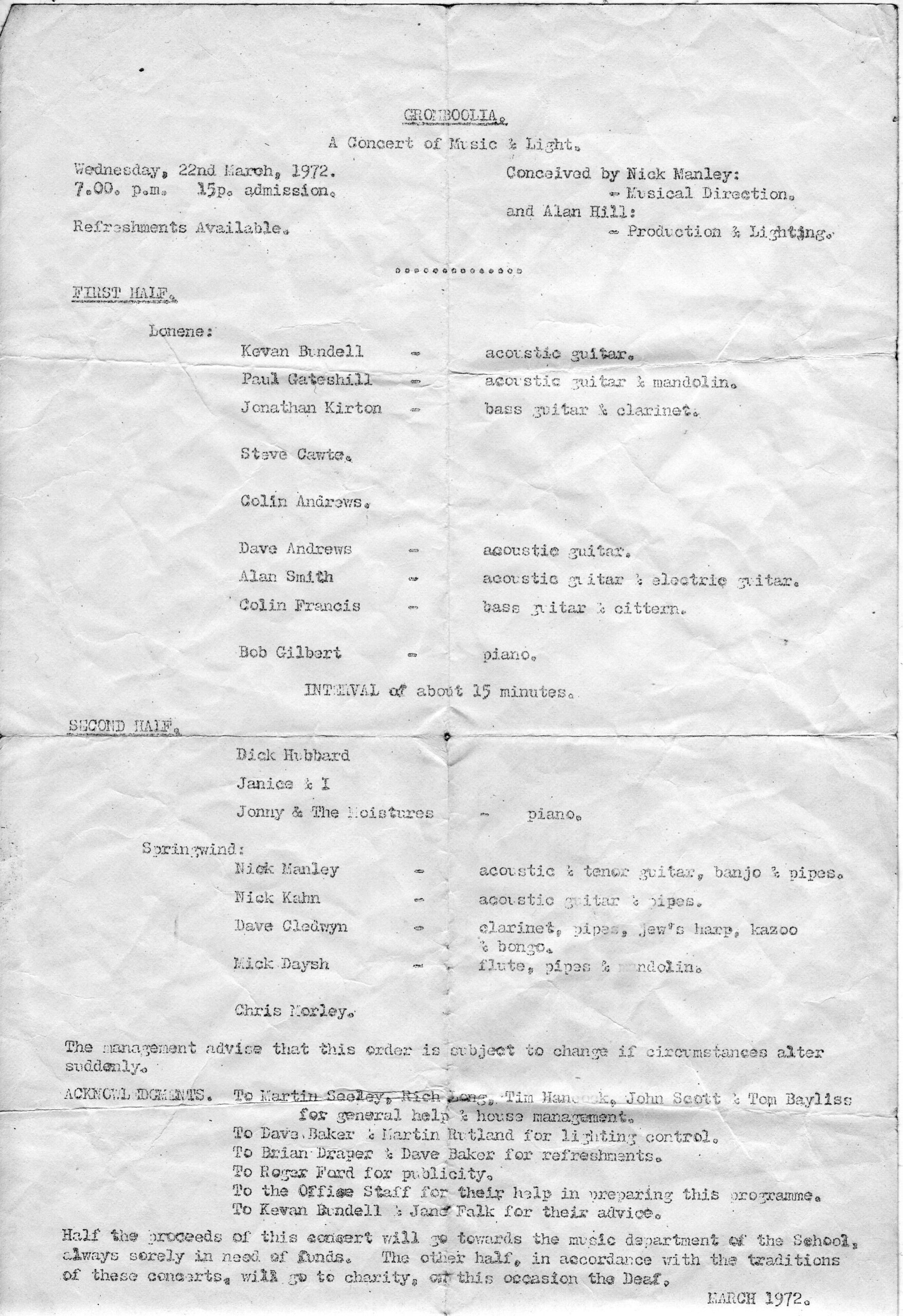
Note that Nick and Alan – who would then have been in the Upper Sixth Form – organised a concert after we – who must have been in the Lower Sixth – organised Reflections of Summer. How the devil did we junior boys get away with it ?
Someone organised another concert in May 1973. It could have been me and others. I can’t remember. However, Lonene performed again – Paul Gateshill, Tracey Coles, Dave Cledwyn and myself. So too did Nick Kahn and Mick Daysh, but now with Jackie White (previously with Lonene); and the Andy Vores band, which incorporated folks promiscuously from other bands and elsewhere. Kathy and Rosalind Russell also made a reappearance after long absence. New performers included PINT (Paul McNeil, Ivor Bundell, Neil Pritchard and Tracey Coles) and Tarsus (Chris Nash, Mark Luckham and Andy Sandham ).
This concert was recorded. I had a cassette recorder which I must have put in front of the PA speakers and pressed play and record.
I also recorded part of the last concert I attended – after I had left Prices – in July 1975. This was, once again, of the highly promiscuous, now even further expanded, Andy Vores band – which included Ivor Bundell, Tracey Coles, Mick Daysh, John Cameron, Kate Burleigh and Liz Kearns – who both sang and danced. This recording is available now in digital format should you wish – for some reason – to hear it.
What happened to the tradition beyond 1975 I do not know. Prices was beginning its transition from Grammar school to Sixth Form College and times were [a-]changing. If anyone knows what happened next, please tell us.
*
An important NOTE : What I was unaware of at the time and has only recently come to light is that an event similar to those above took place one evening in 1969 – organised by a certain Spike Edney. His account, Price’s: A Musical Underground will be available via the Old Pricean’s website in due course.
Dramatis personae.
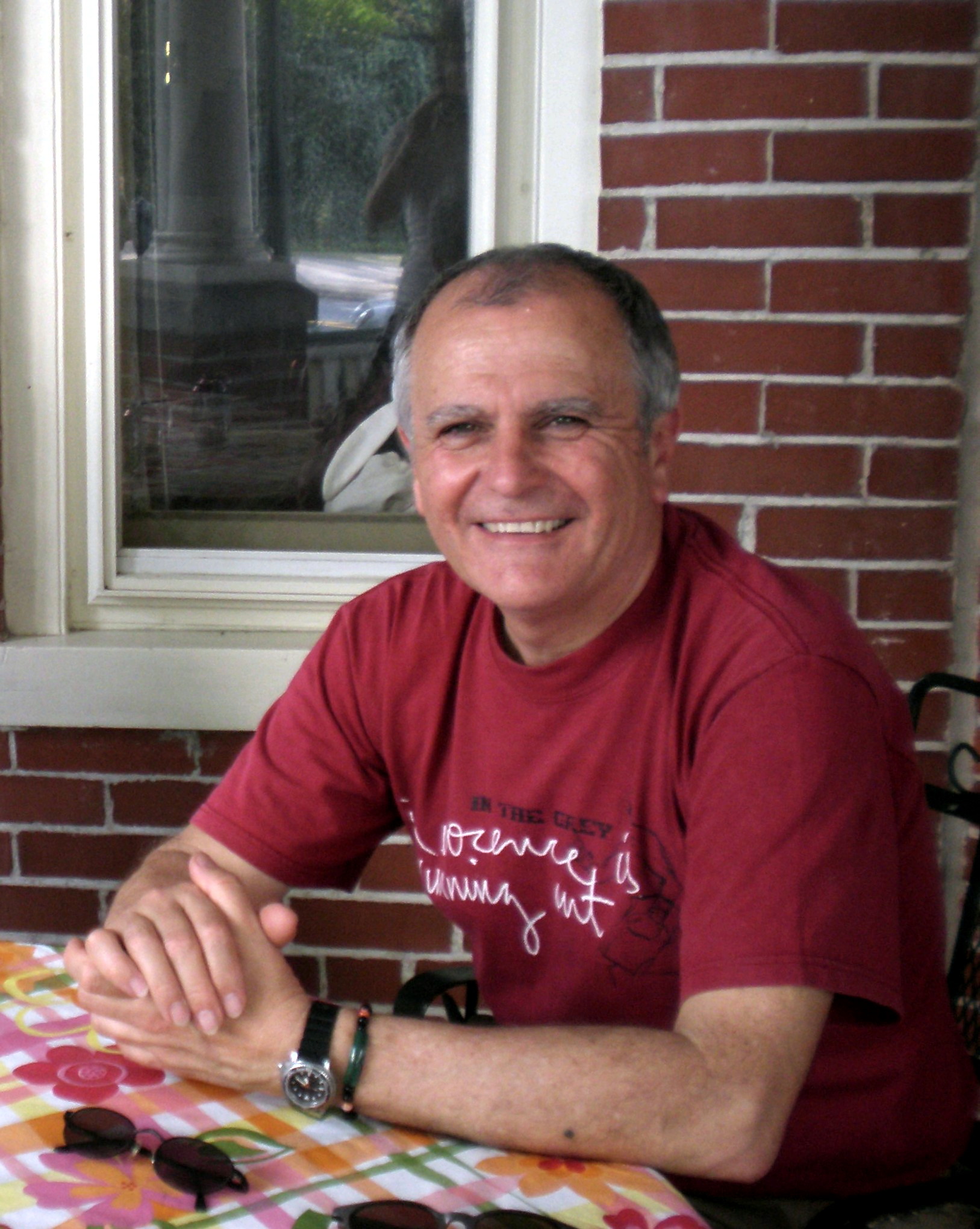
Pat(rick) Gatland moved to Australia, where he continues to write and perform in a folky manner together with his daughter Meg and others. Some of their music can be heard on YouTube https://www.youtube.com/channel/UCbx-GIVzm6rANKKQdtJaQ7g
 There seems to be a general consensus still that Dave Cummins was the most talented and creative guitarist of the time. He also had a wonderful Swedish Hagstrom acoustic guitar with a built-in pick-up – unheard of in those days. Early on he played with Martin (Min) Gateshill and was thereby an influence on Min’s younger brother Paul Gateshill. Paul, in turn, helped me learn how to play the guitar. That is, I had to strum chords for him for hours while he practised his magic-fingered lead. (Click on Dave’s guitar tab for more on the Hagstrom.
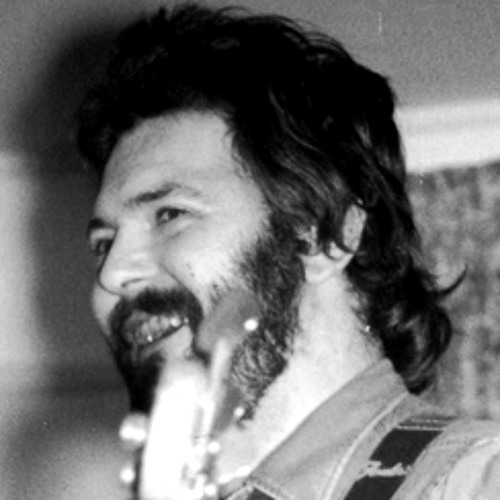 Martin Wood – Tink – (Mar[tin K]enneth Wood) also played with Dave from early on. I was always puzzled that he played a nylon-strung Spanish Guitar rather than steel, but he was a great guitarist anyway. Both Tink and Dave were an inspiration and wrote some great songs together, and with Nick Manley too – see below. (Click on the Tony on Tink tab for more on Tink from his brother Tony).
Chris (No-holds) Bard was a general inspiration to us all – an impresario rather than a musical influence – although I’m told he played the saxophone. He was a huge creative talent – founder of and contributor to the ‘Black Lion’, organiser of ‘folk’ concerts/shows/’reviews’ and other events, Head Boy at Prices – when he seemed to take over morning Assembly, leaving the Headmaster and staff diminished in his wake.
Unfortunately, Chris, Tink and Dave are no longer with us.
You can find an obituary for Chris at http://www.societyofoldpriceans.co.uk/pupils.htm
I met Tink again when we travelled up to London on the train together in the early 2000s. He was as delightful, gentle and kind a man as I had always remembered him. Then timetables changed and we no longer coincided. Next thing I heard, he had gone. Tink’s wife Jane (n. Suter) had also been part of the creativity – the sketches in particular. She is also gone.
Dave I never knew so well. He took to writing music for computer games before his health gave out on him.
Lamentations for each of them, and for the loss to us of their great talents.
 Nick Manley emerged for me as a solo performer – as described above. But he also played in Springwind and, writing songs together with Dave, Tink and others and forming the truly wonderful band Red Shift – https://soundcloud.com/theoriginalredshift Nick has since had a long and prolific writing and performing career in various bands and solo – much of it in France. More recently he has been generous enough to play together with myself, Mick Daysh (see below) and Chris Nash (ditto) under the banner of The Old Boys Band. Our oeuvre has included some Red Shift classics.
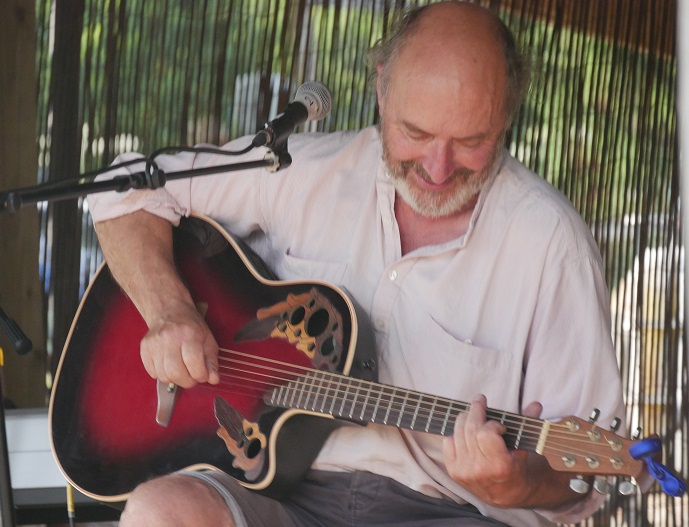 Nick Kahn originally learnt to play classical guitar and this led him to write some beautiful instrumental pieces performed together with Mick Daysh and Jackie White on flutes. He has since gone on to write and perform fine songs, often accompanied by his daughters Anna on bass and Eleanor on guitar, and still by Mick Daysh on flute.
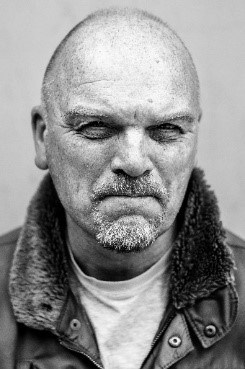 Andy Vores was a prolific composer/song-writer on piano. Having first been a rock drummer, his piano-playing was often frenetic. In fact he sometimes played faster than his fingers could follow. The results were wonderful, and very different from the songs the rest of us wrote on guitars. He was also a showman and liked to organise large numbers of musicians, singers and even dancers on stage to help perform his creative complexities. He went on from Prices to study music composition and then moved to the US , where he became a successful modern-classical composer and Chair of Composition, Theory and Music History at the Boston Conservatory. http://andyvores.com/andyvoresbio.html
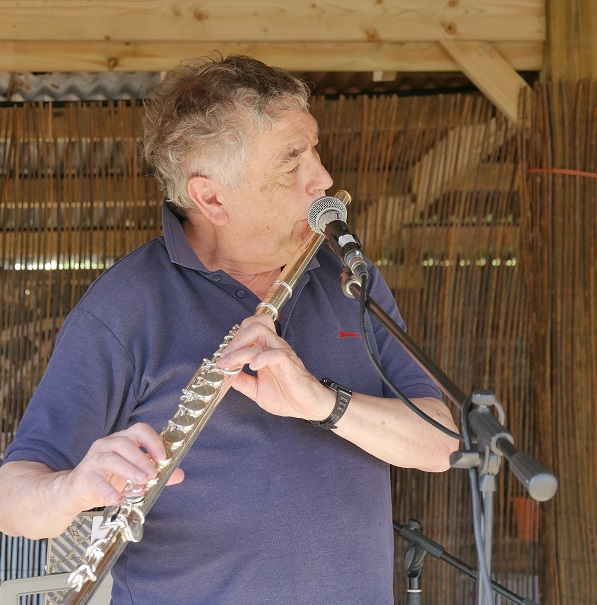 Mick/Michael Daysh fluted with most of the above. It is always good to find someone who plays a proper orchestral instrument – more colours on the palette. Mick still flutes, but nowadays he also writes songs and sings, with guitar or keyboard and a band. Mick also plays with electro-acoustic classical guitarist Chris Nash.
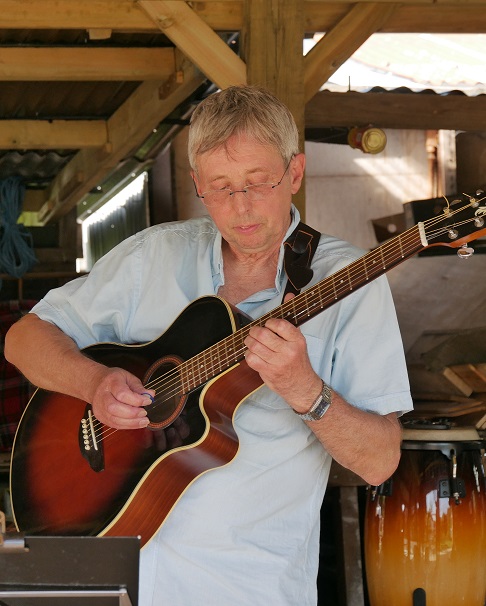 Chris Nash went on from Prices to take a music degree and to record instrumental music with Andy Sandham. He has also performed regularly in folk, rock and jazz bands. He also partakes of an instrumental guitar duet, ‘Nash and Thompson’, playing jazz, acoustic and classical pieces (https://soundcloud.com/search?q=nash%20and%20thompson
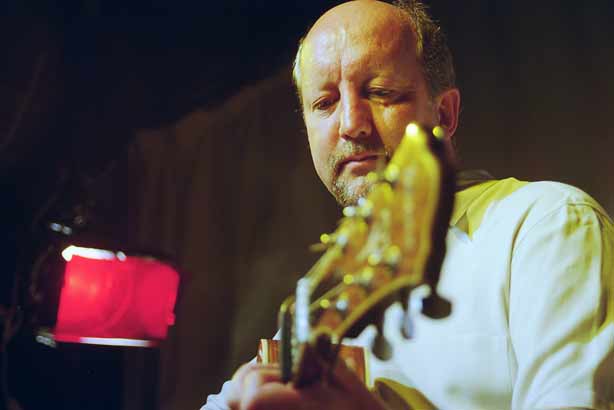 Paul Gateshill has never stopped writing and performing – and playing some great lead guitar (owing to my strumming for him for hours you understand). He has also recorded two solo Albums/CDs (search Spotify, Amazon, YouTube) and been an essential contributor to the fourAlbums/CD’s produced by my brother Ivor and myself, Ivor and Kevan Bundell.
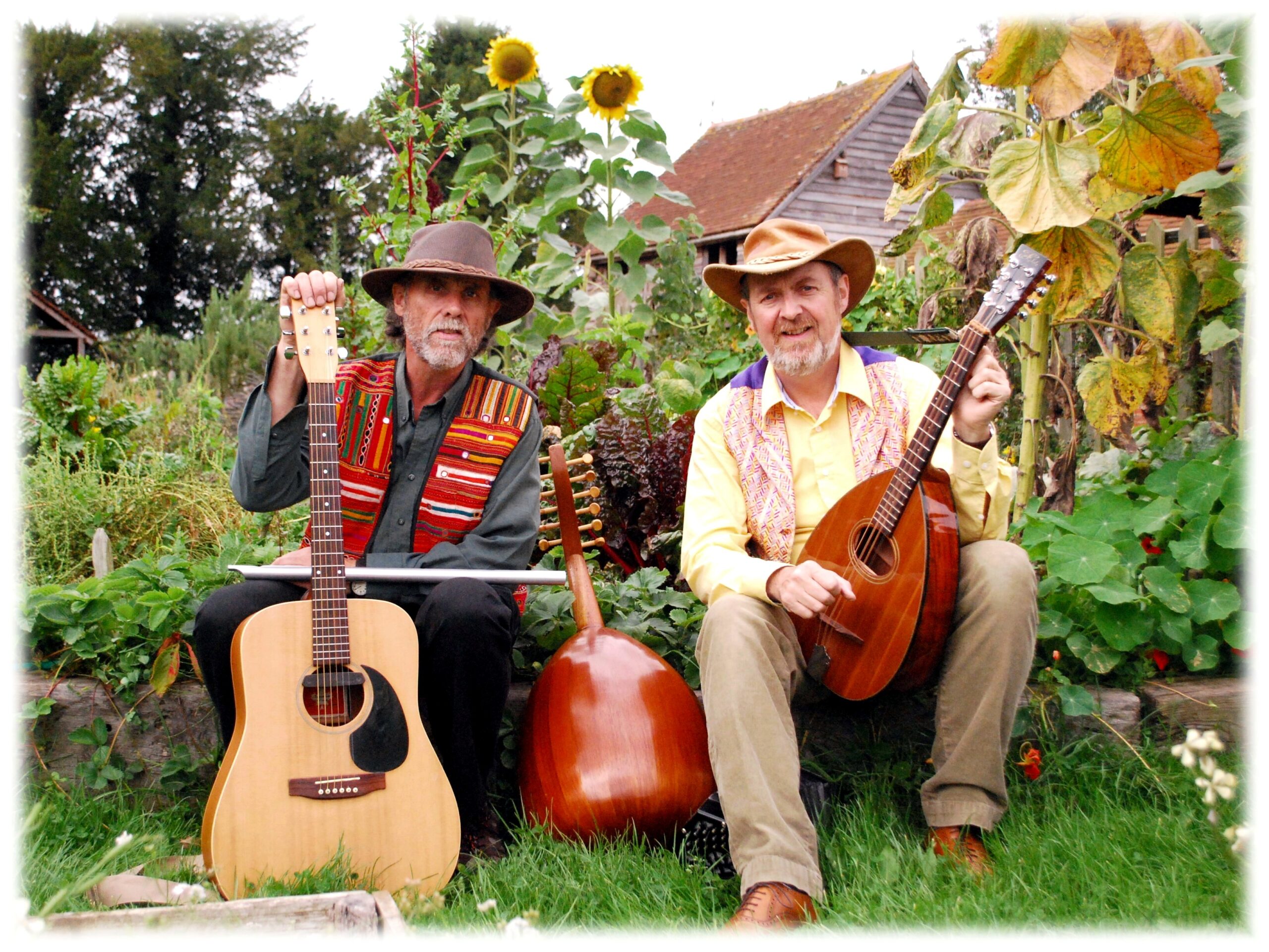
We three – and other friends – also recorded an actual LP in 1976 called Presence, which is now available as a CD :
Details of our various albums – and some of our songs to listen to – can be found at www.bundellbros.co.uk . I particularly recommend you have a listen to ‘Mr Mitchell’s Angel’.
Paul Gateshill, Ivor and Kevan Bundell, Chris Nash, Michael Daysh, Nick Kahn and Nick Manley are now regular performers at Tanglefest – an annual Summer Garden Party and Concert event which happens at my place in Curdridge. Please send me an e-mail – kbundell@yahoo.co.uk – if you’d like to to be invited. All old friends/acquaintances/Priceans and everyone else are very welcome.
Another performer at Tanglefest has been Martin Gateshill – mentioned above as a friend of Dave Cummins and brother of Paul. Although he never played at one of Price’s Folk Conerts, he has interesting things to report of earlier days :
The very 1st electric band to come out of Prices was in 65 or 6. It featured me on Drums and I regret I can’t recall the names of the others. It was the creation of the incredible English teacher of the time, Mr Johnson. I think that was how I crossed paths with Dave and Tink a little later. The three of us formed a Trio called The Ash in 65/6 doing mainly The Who covers. I have a very scratchy recording of a couple of songs. Tink was lead guitar and vocals, he played a dreadful old Egmond guitar which cut his fingers to shreds the action was so high. Dave had a ‘catalogue’ Bass guitar and learned to play it as we went.
Between 1964 when we got started and 1968 we had written over 50 – 60 songs between us and did very few covers of any genre. Dave was easily the best and most creative musician of our cohort, a great friend and fellow traveller.
At that time [mid 60s] Dave and I were a Duo called Tog. I had an old Hoyer 12 string and Dave had a Hagstrom which I rescued. Neither of us knew anything about guitars at that time other than some were harder to play than others. How did I rescue it ? One weekend we were at Wickham at the home of a friend of a friend by the name of Frank Rumble. Frank produced the Hagstrom which had a huge body and really nice slim neck. Sadly the neck was completely snapped off just below the nut. I said I thought I could repair that and Frank said we could have it. I took it away to see what could be done. It was a perfect break, no material missing at all and would glue back almost invisibly. I did that, clamped it up using my dads tools and materials, left it for 24 hours, did a little cosmetic work and found it to be good as new. I handed it to Dave and the rest as they say, is history 😉
Nick Manley has more to say about the history of Dave’s famous Hagstrom :
I notice that the Hagstrom guitar is mentioned quite a bit in your scribing. I know some more of the story. Dave gifted the guitar to one Steve Denholm in the late 1970’s, in the Red Shift days. He, Steve and John Cameron worked at Polygraphic, a printing firm in Titchfield. The guitar was again in a bad way and Steve renovated it once more, stripping the varnish off and rendering to a blond finish, and resetting the neck. Once again a lovely instrument. Steve let me borrow it for a recording session when we were in Surrey Sound studios. After that we drifted apart but I ran into him again a few years back at Titchfield folk club. He was playing a Martin and is now a very good bluesy/jazzy player and I had to ask if he still had the guitar. Sadly no. He had given it to a friend who was learning to play, but he has lost contact with him. He said he would try and I am still waiting………..
*
PS Comments, corrections and additions to the above most welcome – kbundell@yahoo.co.uk
[1] Country Joe and the Fish’s anti Vietnam War anthem which begins ‘Give us an F ! . . .’